How to Store Vinyl Records to Prevent Warping and Damage
A vinyl record collection is only as good as the condition it is kept in. Records that sit flat under a stack, lean at odd angles in a crate, or spend summers in a hot garage will warp, develop mold, and collect the kind of static that turns a quiet passage into a wall of crackle. The good news is that the rules for keeping records in excellent shape are simple and inexpensive to follow. In this guide we walk through everything that matters: orientation, temperature, humidity, sleeves, and shelving.
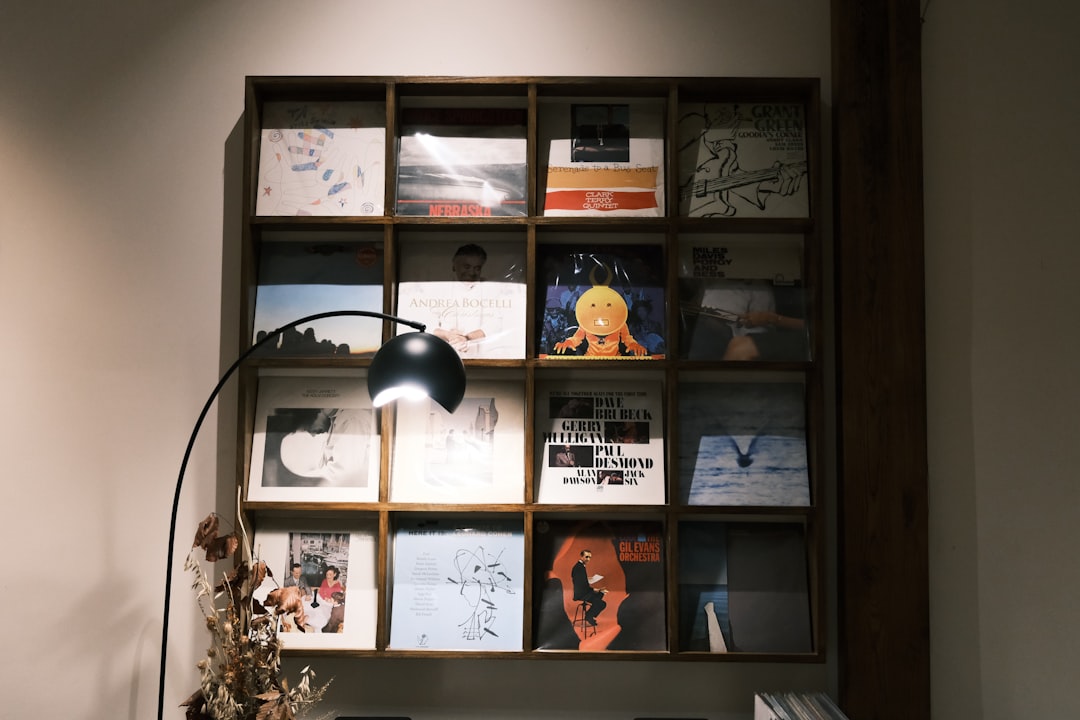
Why Proper Storage Matters
Vinyl is a relatively soft thermoplastic. Heat softens it. Pressure warps it. Moisture invites mold. And the paper inner sleeves that come with most records act like slow-motion sandpaper every time you slide a disc in or out.
None of this damage happens overnight, which is why collectors are sometimes surprised to pull out a record they have not played in five years and find it warped, groove-dirty, or stuck to its sleeve. Good storage habits prevent problems that are either impossible or expensive to fix.
The Library of Congress audio preservation guidelines recommend vertical storage, stable temperature, and humidity control as the three foundational requirements for long-term record care. Following those three principles covers most of the damage risk for most collections.
Always Store Records Vertically
This is the single most important rule: records must stand upright, never stacked flat. When records lie flat, the weight of the stack concentrates on the center label and the edges, creating a curve that becomes permanent over time. In our experience with collections that came to us stored flat in boxes, even a few months of horizontal stacking can produce a dish warp that shows up as rhythmic wow on playback.
Store records like books on a shelf. Keep them close enough that they do not lean at an angle, but not so tight that pulling one out requires force. Leaning records at even a slight angle puts continuous pressure along one edge, and given enough time this produces a tilt warp that is difficult to correct without specialized equipment.
Use shelf dividers or bookends to keep sections upright when a shelf is not full. A partially filled shelf with records leaning 15 degrees to one side is almost as bad as storing them flat.
Control Temperature and Humidity
The ideal range for vinyl storage is 65 to 70 degrees Fahrenheit with 45 to 50 percent relative humidity. These are the same conditions that are comfortable for people, which makes a climate-controlled living space the best place to keep records.
Attics and garages fail on both counts: summer temperatures in an uninsulated attic can easily exceed 100 degrees, which is enough to permanently deform records. Basements tend to be cooler but often run high on humidity, which promotes mold growth on inner sleeves, jackets, and eventually the vinyl itself.
When we have moved collections from garages into conditioned storage, even records that appeared undamaged often had faint mold blooms on the inner sleeves that had not yet transferred to the vinyl. Catching this early matters.
A basic digital hygrometer placed near your storage area lets you monitor conditions without guessing. If your space runs above 55 percent humidity consistently, a small dehumidifier in the room can protect a large collection. Also avoid placing records near windows or in direct sunlight, since UV light fades album covers and can accelerate surface degradation on older pressings.
Clean Records Before Putting Them in Storage
Storing a dirty record seals contamination in with the disc. Dust and debris sitting in the grooves can cause the inner sleeve to bond slightly to the playing surface over time, and dried-on residue becomes harder to remove. Before any record goes into long-term storage, give it at least a dry brush cleaning to remove loose debris.
If the record has visible grime or has not been cleaned in some time, a full wet clean is worth doing before it goes away. Our guide on how to clean vinyl records properly covers methods and tools across every budget, from a simple carbon fiber brush to a dedicated record cleaning machine.
Replace Paper Inner Sleeves and Add Outer Sleeves
Most records come from the factory or from used bins in paper inner sleeves. Paper is a problem for two reasons. First, it is abrasive: the act of sliding a record in or out drags paper fibers across the playing surface and leaves micro-scratches that elevate the noise floor over time. Second, paper generates static charge during that same sliding motion, which attracts airborne dust right back onto the record.
The fix is to replace paper sleeves with high-density polyethylene or rice-paper sleeves. These materials are smooth enough that records slip in and out with almost no friction and do not build up a static charge. In our testing, switching to polyethylene inner sleeves on a collection that had been stored in paper for years produced a noticeable reduction in surface noise on pressings that were otherwise clean.
For the jacket itself, outer poly sleeves prevent ring wear - the circular disc impression that transfers to the outside of the jacket when records press against each other on a shelf. It is permanent, it reduces the visual grade of the cover, and a 3-mil poly outer sleeve eliminates the problem entirely. Outer sleeves are inexpensive enough that sleeving your entire collection costs very little.
Choosing the Right Shelving
Cube-style shelving with square compartments works well because it naturally enforces upright storage and makes dividing a collection by section easy. The IKEA Kallax and Expedit systems have become standard in record rooms because the interior dimensions fit a standard LP sleeve with a small amount of clearance. We have used both in our own storage spaces and found them stable and long-lasting for this purpose.
Wire shelving and angled record crates are less ideal. Wire shelving can allow records to bow slightly over the span between supports, and some crates lean records at an angle that builds up edge pressure over months.
Milk crates work fine for transport but not for long-term storage. The walls do not provide enough lateral support, and most crates are narrower than a standard LP, which means records angle inward rather than standing truly upright. For overflow collections or records you are not playing regularly, a proper corrugated storage box designed for LPs is a better option.
Recommended Products
These are the products we reach for when maintaining a collection. No affiliate tags are appended to these links at this time, as our Amazon Associates account for this site is being set up.
- Mobile Fidelity Sound Lab 50 Audiophile Inner Record Sleeves - View on Amazon - Anti-static polyethylene construction, correct LP sizing, our standard inner sleeve recommendation.
- BCW Corrugated Record Storage Box - View on Amazon - Holds approximately 50 LPs upright. Good for overflow or inactive records.
- Vinyl Record Outer Poly Sleeves (3-mil) - Search on Amazon - Generic commodity item. Any 3-mil sleeve at 12.5x12.5 inches will do the job.
As an Amazon Associate we earn from qualifying purchases at no extra cost to you.
If you are building out your collection and want to make sure what you are bringing home is worth the storage effort, our guide on how to buy used vinyl without getting burned covers grading, listening tests, and what to avoid at record fairs and shops.
Bookmark this guide and come back to it when you next reorganize your storage setup - getting the basics right now will save you from dealing with warped and damaged records later.