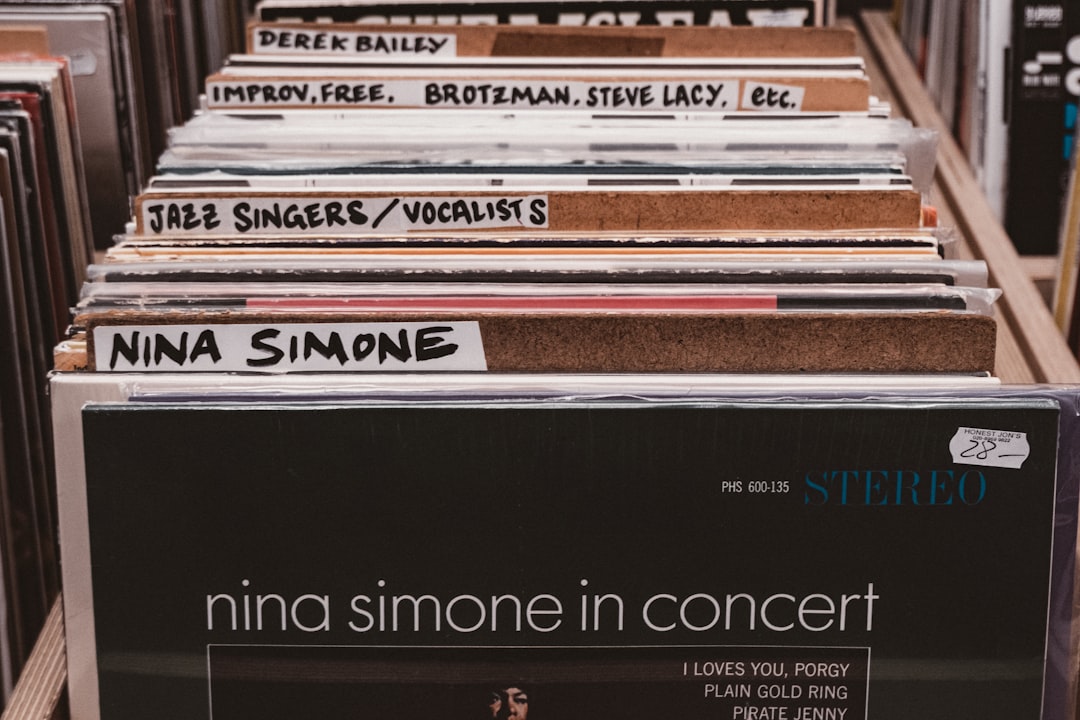
Stack of vinyl jazz records on a wooden shelf

Photo by Samuel Regan-Asante on Unsplash

You’ve spent countless hours restoring that Marantz 2270 receiver, carefully re-capping its power supply, or perhaps meticulously re-foaming your prized JBL L100s. Your vintage HiFi system sings, but are your records truly making it shine? For me, there’s no genre that reveals the nuances and capabilities of a well-tuned analog system quite like jazz. Its inherent dynamic range, intricate instrumental interplay, and often minimalist recording techniques create a sonic landscape designed for critical listening. Finding the best sounding jazz records isn’t just about the music itself, though that’s paramount; it’s about identifying those specific pressings and recordings that were captured and reproduced with an almost obsessive dedication to fidelity. If you want to push your vintage setup to its limits and experience music with breathtaking realism, you need to know which jazz records consistently deliver. This guide cuts through the noise to pinpoint the truly exceptional.

Why Jazz is the Ultimate Test for Your Vintage HiFi

Jazz, at its core, is an acoustic art form. Even electrified instruments often retain an organic quality that demands accurate reproduction. When you listen to a great jazz recording on a vintage HiFi system, you’re not just hearing notes; you’re experiencing the space, the air moving through a saxophone, the subtle brushwork on a snare drum, the resonant thrum of an upright bass. This genre uniquely highlights the strengths of classic audio gear: the warmth of a tube amplifier, the detail retrieval of a quality moving magnet or moving coil cartridge, and the natural soundstage presentation of well-matched vintage speakers.

A common misconception is that “loudness” equals “good sound.” Jazz, particularly from its golden era, defies this. Engineers like Rudy Van Gelder weren’t chasing peak SPLs; they were preserving the live performance, capturing the micro-dynamics that give music its life. This means moments of delicate quiet are just as important as powerful crescendos. A vintage amplifier like a Sansui AU-717, known for its robust power supply and low total harmonic distortion (THD) across its frequency range, excels at reproducing these dynamic shifts without compression or strain. Its ability to deliver transient peaks cleanly allows the sharp attack of a trumpet or the snap of a drum rim to cut through with startling realism, while still maintaining the delicate decay of a piano chord.

The spatial information in many classic jazz recordings is also phenomenal. Often recorded in a single room with minimal microphones, these sessions create a tangible soundstage that places instruments precisely in space. You can often pinpoint the drummer behind the piano, the bassist stage left, and the horn section center. This sense of three-dimensionality is where a well-aligned vintage turntable, paired with a high-quality phono preamp, truly shines. The subtle phase relationships and time-domain information preserved on the vinyl groove translate directly into a convincing illusion of performers in your listening room. You’re not just hearing a flat image; you’re hearing depth and width, a characteristic that modern, heavily compressed recordings often lose. It’s this combination of dynamic purity, instrumental timbre, and spatial integrity that makes jazz the perfect medium for evaluating and enjoying your vintage HiFi investment.

The Gold Standard: Iconic Jazz Recordings and Pressings for Critical Listening

When we talk about the “best sounding” jazz records, we’re often talking about the confluence of extraordinary musical talent, masterful engineering, and meticulous pressing quality. The mid-20th century, particularly the 1950s and 60s, was a golden age for jazz recording, largely due to a handful of visionary labels and engineers who understood how to capture acoustic instruments with breathtaking fidelity.

Blue Note Records stands as a titan in this regard. Their commitment to capturing “the sound of surprise” extended to their recording practices. Most of their iconic sessions were recorded by Rudy Van Gelder, first in his parents’ living room in Hackensack, New Jersey, and later in his custom-built studio in Englewood Cliffs. Van Gelder’s techniques often involved specific microphone placement, custom equipment modifications, and a deep understanding of how to achieve instrumental separation and presence. Albums like John Coltrane’s Blue Train, Horace Silver’s Song for My Father, and Art Blakey & The Jazz Messengers’ Moanin’ are legendary not just for the music, but for their incredible sonic impact. The immediacy of the instruments, the punch of the drums, and the rich tone of the brass are hallmarks of Van Gelder’s work.

Beyond Blue Note, labels like Prestige, Riverside, Verve, and Impulse! also produced a wealth of superb recordings. Prestige, also frequently engineered by Van Gelder, offered a slightly different sonic signature, often with a more raw and immediate feel. Albums like Sonny Rollins’ Saxophone Colossus exemplify this directness. Riverside, home to Bill Evans’ seminal Waltz for Debby and Sunday at the Village Vanguard, captured the intimate atmosphere of live club performances with stunning clarity. Verve, under Norman Granz, produced many of Ella Fitzgerald’s Songbook series, showcasing her voice with unparalleled detail and warmth. Impulse!, known for its adventurous spirit, gave us John Coltrane’s later masterpieces like A Love Supreme, often featuring a wider stereo spread and powerful dynamics.

The magic often lies in the original pressings from these eras. These records were cut directly from the master tapes, often with tube cutting lathes, and pressed on high-quality vinyl. The very first pressings, known as “deep groove” or “RVG” etched pressings, can command high prices due to their sonic superiority. However, securing clean original pressings can be a challenge and an expensive endeavor. Surface noise, groove wear, and warps are common issues with records that are 60+ years old. This leads many enthusiasts, myself included, to seek out high-quality reissues that aim to replicate or even improve upon the original sound while offering the pristine condition of new vinyl. Understanding the history and the engineers behind these recordings gives you a roadmap to truly exceptional listening experiences, regardless of whether you’re hunting for a rare original or investing in a meticulously crafted modern reissue.

Modern Masters: Unpacking the Best Jazz Reissue Series

For enthusiasts of vintage HiFi, the quest for the best sounding jazz records often leads to the world of audiophile reissues. While original pressings can be sublime, their scarcity, cost, and condition issues make them prohibitive for many. Thankfully, several labels have committed to producing reissues that not only respect the original recordings but often surpass them in terms of quiet surfaces and dynamic range, thanks to modern pressing technologies.

Two standout series, both focusing on the legendary Blue Note catalog, are the Music Matters Jazz 45 RPM reissues and the Blue Note Classic Vinyl Series. Both offer exceptional sound, but they cater to slightly different budgets and preferences.

The Music Matters Blue Note 45 RPM Jazz Reissues (you can find more details here: https://www.amazon.com/dp/B076GYXN7Y) represent the pinnacle of jazz reissuing. These are cut from the original analog master tapes by master engineers like Kevin Gray and Steve Hoffman, pressed at RTI (Record Technology Inc.) on heavy 180-gram vinyl, and spread across two 45 RPM discs. The 45 RPM speed allows for greater groove modulation, translating into increased dynamic range, superior transient response, and a more expansive soundstage. When you drop the needle on a Music Matters pressing of an album like Jackie McLean’s Destination… Out! or Lee Morgan’s The Sidewinder, the instruments leap out with a presence and clarity that is simply astounding. The packaging is equally luxurious, featuring glossy gatefold jackets with stunning photography and informative liner notes. This premium experience comes at a premium price, but for many, the sonic rewards justify the investment. These are reference-grade pressings that truly allow your vintage system to showcase its full potential, revealing layers of detail you might not have known existed in the music.

For those seeking a more accessible entry point into high-quality reissues, the Blue Note Classic Vinyl Series Jazz Pressings (check them out here: https://www.amazon.com/dp/B07BKHLT3R) are an absolute revelation. Also mastered from the original analog tapes by Kevin Gray at Cohearent Audio and pressed at Optimal Media in Germany or RTI in the U.S. (depending on the batch), these 33 1/3 RPM LPs offer incredible value. While they don’t have the ultimate dynamic punch of their 45 RPM counterparts, they are still remarkably dynamic, detailed, and quiet. The pressing quality is consistently excellent, and the jackets are sturdy, though not as elaborate as the Music Matters releases. Albums like Herbie Hancock’s Maiden Voyage or Wayne Shorter’s Speak No Evil from this series sound fantastic, offering a significant upgrade over standard reissues or worn originals. They provide a fantastic way to build a high-fidelity jazz collection without breaking the bank, making iconic recordings available to a wider audience of vintage HiFi enthusiasts.

Beyond these Blue Note-focused series, labels like Acoustic Sounds (with their Verve/Impulse! reissues), Analogue Productions, and Craft Recordings also produce exceptional jazz reissues, often tackling different catalogs with the same dedication to mastering and pressing quality. The key takeaway is that not all reissues are created equal. Researching the mastering engineer, the source tapes used (ideally original analog masters), and the pressing plant will guide you to pressings that truly honor the legacy of these incredible recordings and allow your vintage HiFi system to sing. If you’re looking for more guidance on sourcing great records, our guide on How to Buy Used Vinyl offers practical tips for navigating the bins.

Jazz Reissue Series Comparison

To help you navigate the landscape of high-quality jazz reissues, here’s a comparison of some popular options:

Feature Music Matters Jazz 45 RPM Reissues Blue Note Classic Vinyl Series Original Jazz Classics (OJC) Reissues
Mastering Source Original Analog Master Tapes Original Analog Master Tapes Often Analog, sometimes Digital transfer (depending on era/title)
Mastering Engineer Kevin Gray, Steve Hoffman Kevin Gray Varied, often George Horn or Phil De Lancie
Pressing Plant RTI (Record Technology Inc.), USA Optimal Media (Germany) or RTI (USA) Often Fantasy Records, later RTI/QRP (for newer reissues)
RPM 45 RPM (2xLP for most albums) 33 1/3 RPM (1xLP) 33 1/3 RPM (1xLP)
Vinyl Weight 180-gram 180-gram 180-gram (for newer reissues), often lighter for older versions
Packaging Deluxe gatefold, heavy card stock, glossy photos, detailed liner notes Sturdy single pocket jacket, often with original artwork, minimal notes Basic single pocket jacket, often with original artwork, minimal notes
Price Point Premium ($50-75+) Mid-range ($25-35) Budget-friendly ($15-25)
Overall Sound Reference-grade, expansive dynamics, incredible detail, deep soundstage Excellent, highly musical, great value, quiet surfaces Good to very good, can be inconsistent, occasionally a bit flat
Focus Blue Note catalog only Blue Note catalog only Prestige, Riverside, Fantasy, Contemporary, etc. catalogs

This table highlights the differences in approach and resulting sound quality. Music Matters aims for the absolute best, spare no expense. The Blue Note Classic Series offers a fantastic balance of quality and affordability, making it a staple for any serious jazz collector. OJC reissues, while often good and inexpensive, can be a bit hit-or-miss depending on the specific title and pressing run. When selecting, consider your budget and how critical your listening needs are. For pure sonic bliss on your vintage system, the top two are often the way to go.

Optimizing Your Turntable for Jazz: Precision Setup Makes the Difference

A truly great jazz record can only sound its best if your playback system is meticulously aligned. This is where your technical understanding of vintage HiFi truly pays dividends. Every adjustment on your turntable impacts the clarity, dynamics, and imaging you hear, especially with the nuanced soundscapes of jazz.

First, tracking force is paramount. You need to set your cartridge’s tracking force precisely within the manufacturer’s recommended range, typically using a digital tracking force gauge. Too little force can lead to mistracking, audible distortion, and increased record wear, especially in dynamic passages. Too much force can also damage grooves and dull the sound. For many cartridges, operating towards the higher end of the recommended range can often provide a more stable, authoritative bass response and clearer treble, reducing inner groove distortion (IGD). For instance, a Shure V15 Type III, a classic moving magnet cartridge often found on vintage turntables, typically tracks best around 1.25 grams, but some prefer slightly higher for optimal stability.

Next, Vertical Tracking Angle (VTA) and its sibling, Stylus Rake Angle (SRA), are critical. VTA refers to the angle at which the stylus cantilever sits relative to the record surface, while SRA is the angle of the stylus tip itself. Ideally, the stylus should sit in the groove at the same angle it was cut by the mastering lathe. Since record thicknesses vary, adjusting your tonearm’s height to achieve the correct VTA is crucial. If your tonearm is too high at the pivot, the sound can become thin and bright; if too low, it can sound dull and bass-heavy. For jazz, where instrumental timbre and decay are vital, getting VTA right ensures the most natural presentation. Experiment with small adjustments, listening for improvements in focus, detail, and soundstage depth. Many vintage turntables, like a Technics SL-1200MK2 or a Thorens TD-160, offer VTA adjustment, but it may require shims or a VTA on the fly collar for finer tuning.

Azimuth refers to the side-to-side tilt of your cartridge, ensuring the stylus is perfectly perpendicular to the record surface. Incorrect azimuth leads to channel imbalance, reduced stereo separation, and a smeared soundstage. While some tonearms offer easy azimuth adjustment, others might require shimming the cartridge body. Use a test record with a mono track or a digital oscilloscope to check for perfectly balanced channels.

Anti-skate compensates for the inward force that pulls the tonearm towards the center of the record. Proper anti-skate ensures even wear on both groove walls and balanced stereo imaging. Set it using a blank record side or a test record with specific anti-skate tracks. Incorrect anti-skate will manifest as distortion in one channel or an unbalanced soundstage.

Finally, cartridge choice and phono preamp matching are foundational. Different cartridges have distinct sonic signatures. A moving coil (MC) cartridge, often requiring a higher gain phono preamp and precise impedance matching, can offer incredible detail, speed, and transparency, ideal for hearing every nuance of a jazz drum kit or the subtle vibrato of a horn. A moving magnet (MM) cartridge, generally more forgiving with loading, might provide a warmer, fuller sound that some find more appealing for classic jazz. Understanding the differences between these types of cartridges is key to making the right choice for your system and preferences. You can delve deeper into this topic with our post on MM vs MC Cartridges Compared. Regardless of type, ensure your phono preamp’s input impedance and capacitance are correctly matched to your cartridge’s specifications for optimal frequency response and dynamics. Many vintage receivers, like the Marantz 2270, have excellent built-in phono stages, but external phono preamps offer greater flexibility for fine-tuning. For detailed discussions on advanced turntable setup and cartridge alignment, online communities like the Steve Hoffman Music Forums are invaluable resources.

Preserving the Sonic Purity: Essential Record Care for Jazz Collectors

Even the best sounding jazz record will disappoint if it’s dirty. Dust, grime, static, and fingerprints are the enemies of pristine analog playback, especially when you’re seeking to extract every last detail from a high-fidelity jazz pressing on your vintage HiFi. A clean record means less surface noise, a clearer soundstage, and significantly extended life for both your records and your stylus.

The first line of defense is always prevention. Store your records vertically in high-quality inner sleeves, ideally anti-static poly-lined sleeves that don’t shed paper dust. Outer sleeves protect the jacket from shelf wear and environmental contaminants. Always handle records by the edges or the label, never touching the groove surface.

However, even with the best care, records accumulate dust and static. For quick cleanings before each play, a good carbon fiber brush is essential. Place the record on your platter, spin it, and gently brush across the grooves to lift loose dust. Follow up with an anti-static gun or cloth if static is an issue, as static can attract more dust and cause annoying pops and crackles.

For deeper cleaning, especially for newly acquired used records or those with visible grime, a wet cleaning method is indispensable. While manual wet cleaning solutions with microfiber cloths can offer improvement, nothing compares to the thoroughness and consistency of a dedicated record cleaning machine. This is where an investment in a machine like the VPI Atlantic Record Cleaning Machine (available here: https://www.amazon.com/dp/B00IO8CCWY) truly pays off for the serious collector.

A record cleaning machine works by applying a specialized cleaning fluid to the record surface, allowing it to penetrate and loosen dirt, then vacuuming the fluid and suspended grime away. The VPI Atlantic is a robust, semi-automatic machine that makes the process efficient and effective. Its powerful vacuum system ensures no residue is left behind, which is crucial for preventing future noise. The benefits are immediately audible: reduced crackle and pop, a lower noise floor, improved dynamics, and greater clarity across the frequency spectrum. You’ll hear more of the music and less of the distractions. For the delicate, nuanced textures of jazz, this level of cleanliness can transform a good listening session into an extraordinary one. Not only does it improve sound quality, but by removing abrasive particles, it also significantly prolongs the life of your precious records and reduces wear on your stylus, saving you money on cartridge replacements in the long run. Consistent, thorough cleaning is not just a chore; it’s a fundamental part of maximizing your vintage HiFi’s potential with your jazz collection.

Common Mistakes to Avoid for Optimal Jazz Playback

Even with the best records and equipment, several common pitfalls can prevent you from experiencing jazz at its best on your vintage HiFi. Avoiding these mistakes will significantly enhance your listening sessions.

1. Ignoring Proper Turntable Setup Beyond Basic Tracking Force: Many enthusiasts set tracking force and call it a day, but as discussed, VTA, azimuth, and anti-skate are equally critical. Incorrect VTA can lead to a frequency imbalance, making horns sound shrill or the bass muddy, while poor azimuth can collapse the stereo image that is so vital for appreciating jazz ensembles. Anti-skate issues often result in audible distortion in one channel. Invest in a good setup protractor, a digital tracking force gauge, and a test record. Take the time to fine-tune these parameters, as the sonic rewards are immense. The subtle differences in pressing thickness between a 120-gram original and a 180-gram reissue, for instance, often necessitate minor VTA adjustments to maintain optimal sound.

2. Neglecting Record Cleaning and Storage: This is perhaps the most common and easily rectifiable mistake. Dust and grime aren’t just cosmetic; they are abrasive particles that cause pops, crackles, and permanent groove damage. Playing a dirty record with a fine-line stylus on a sensitive vintage system is like sanding down your grooves. Always clean new-to-you records thoroughly, and use a carbon fiber brush before every play. Storing records in cheap paper sleeves that shed dust or storing them horizontally, which leads to warps, will degrade your collection over time. Invest in proper inner and outer sleeves and store your records vertically in a stable environment.

3. Mismatching Cartridge and Phono Preamp Loading: While many MM cartridges are forgiving, MC cartridges are particularly sensitive to impedance loading. Using a 47k ohm input for an MC cartridge designed for 100 ohms will result in a bright, thin, and lifeless sound. Similarly, incorrect capacitance loading for MM cartridges can cause a treble peak or roll-off. Always consult your cartridge’s specifications and ensure your phono preamp, whether integrated into your receiver or a standalone unit, is set correctly. If your preamp doesn’t offer adjustable loading, consider an external one that does. This fine-tuning can unlock a cartridge’s true potential, delivering the rich harmonic complexity and dynamic range that jazz demands.

4. Assuming All Reissues Are Created Equal: As our comparison table highlighted, there’s a vast difference in quality among reissues. A budget reissue from a digital source will never sound as good as an analog-mastered, well-pressed audiophile edition, even if it’s the same album. Do your research. Look for details on the mastering engineer, the source tapes (analog masters are key), and the pressing plant. Don’t fall for marketing hype; trust your ears and the consensus of the audiophile community. Paying a little more for a known high-quality reissue will always be a better investment than buying multiple mediocre versions.

5. Overlooking Room Acoustics: Your listening room plays a significant role in the final sound. Hard, reflective surfaces can cause excessive echoes and harshness, while too much absorption can make the sound dull. For jazz, where soundstage and instrument separation are crucial, reflections can smear the image. Consider basic room treatments like strategically placed rugs, curtains, or acoustic panels to tame reflections and improve clarity. Even small adjustments to speaker placement relative to walls and listening position can dramatically improve the soundstage and bass response. A well-tuned room allows your vintage HiFi and your carefully selected jazz records to truly shine, revealing the full breadth and depth of the music.

Frequently Asked Questions

Q1: Why do jazz records often sound so good on vintage systems?

Jazz music, particularly recordings from the 1950s and 60s, was often recorded with a specific philosophy that aligns perfectly with the strengths of vintage HiFi equipment. Many sessions utilized minimal microphones, often just a few placed strategically to capture the entire ensemble in a natural acoustic space. This approach preserved the inherent dynamic range of the instruments and the spatial relationships between them, rather than heavily compressing or isolating individual tracks. Vintage systems, with their typically warm, rich tonal balance and often excellent phono stages, excel at reproducing these uncompressed dynamics and natural timbres. They tend to present a wide and deep soundstage, allowing listeners to easily place instruments within the recording space, which is a hallmark of great jazz recordings. The purity of the signal path in many classic analog systems, from tube amplifiers to well-engineered solid-state receivers, allows the subtle harmonic complexities of jazz instruments to come through with remarkable realism and emotional impact.

Q2: What’s the difference between mono and stereo jazz recordings for HiFi?

The difference between mono and stereo jazz recordings lies primarily in their historical context, recording techniques, and the resulting soundstage presentation. Early jazz recordings were exclusively mono, capturing all sound information into a single channel. When stereo emerged in the late 1950s, engineers experimented with various techniques. Early stereo jazz often featured “ping-pong” stereo, with instruments hard-panned to extreme left and right channels, which can sound somewhat artificial on a modern system. However, as recording techniques matured, engineers learned to create a more natural, immersive stereo soundstage with instruments spread across the sound field, offering a sense of depth and width.

For HiFi listening, both can be excellent. A well-recorded mono jazz album, such as many early Blue Note or Prestige titles, can offer incredible focus and impact, with all the musical energy concentrated in the center. This can result in a powerful, upfront presentation that some listeners prefer for its directness. A great stereo jazz recording, on the other hand, provides a more expansive and dimensional soundstage, allowing for greater instrument separation and a more “you are there” feeling. The choice often comes down to personal preference and the specific recording. Many audiophiles collect both, appreciating the unique qualities each format brings to the experience.

Q3: Are all jazz reissues created equal?

Absolutely not. The quality of jazz reissues varies wildly, and understanding the factors that contribute to a superior reissue is critical for any vintage HiFi enthusiast. The most important factor is the source material. A truly audiophile reissue will be mastered from the original analog master tapes, not a digital copy or a copy of a copy. When a mastering engineer like Kevin Gray or Bernie Grundman works with the original tapes, they can extract the maximum amount of detail and dynamic range. Second is the mastering engineer themselves. Their skill, equipment, and philosophy play a huge role in how the final record sounds. Third is the pressing plant. High-quality plants like RTI (Record Technology Inc.) or Optimal Media use virgin vinyl and meticulous quality control to produce quiet, flat, and defect-free pressings. Budget reissues may use digital files as their source, employ less experienced mastering, and be pressed at plants with lower quality control. Always research the specific reissue you’re considering to ensure you’re getting a product worthy of your vintage HiFi system.

Conclusion

The journey to discover the best sounding jazz records for your vintage HiFi system is one of the most rewarding pursuits in analog audio. It’s a fusion of musical appreciation and technical discernment, where every detail, from the original recording engineer’s choices to your turntable’s VTA setting, contributes to the final sonic tapestry. By focusing on iconic recordings from labels like Blue Note, investing in top-tier reissues such as those from Music Matters or the Blue Note Classic Vinyl Series, and meticulously optimizing your playback chain, you’ll unlock an unparalleled listening experience. These records, played on a lovingly restored vintage system, don’t just reproduce music; they transport you to the recording session, allowing you to connect with the artistry in a profound and immediate way. Dive in, experiment, and let the magic of jazz fill your listening space.

Bookmark this guide for your next record store run, or share your favorite jazz listening tips in the comments below.

About the Author

The Analog Revivalist team writes about vintage audio restoration, from sourcing components to final listening tests. Our guides are rooted in practical bench experience - we don't recommend what we haven't taken apart ourselves.